PhysicalAIx
Physical AI for Mission-Critical Industries
TLDR: True Physical AI foundation models are 5 to 10 years away. The data doesn't exist, and we still can't simulate contact well enough to train our way there. But when that moment arrives, the enterprise value will not just sit in generic horizontal models. It will belong to vertical operators delivering outcomes in the real world. By starting today with teleoperation in dangerous, mission-critical environments (nuclear decommissioning, frontline defence logistics), we can generate revenue immediately, collect proprietary contact data, build regulatory trust, and embed AI compliance guardrails from day one, creating a moat for full autonomy.
Physical AI is making headlines and raising record amounts of capital, but Physical AI is not a reality yet.
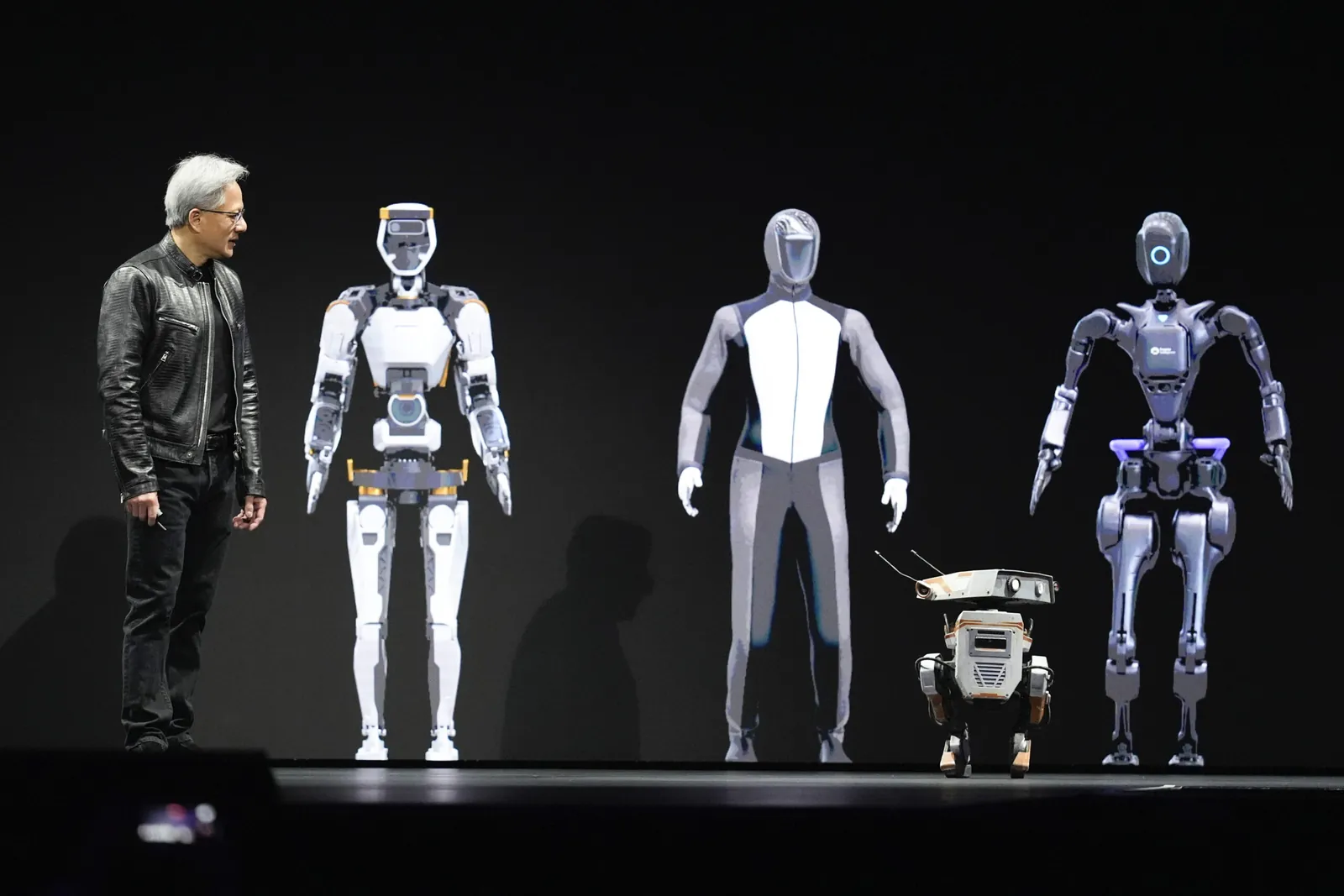
When I talk about Physical AI, I mean artificial intelligence embodied in physical machines: humanoid robots, robotic arms, autonomous vehicles, and drones that can perceive, navigate, reason about 3D space and forces, and directly manipulate objects in the real world.
The hype makes it sound like humanoids will be folding our laundry and running entire factories in the next couple of years. They will not.
After two years working in this space, meeting researchers, founders, and strong believers, my recent trip to China was a reality check. Hardware is real. China is moving at lightning speed on supply chains, high-torque motors, harmonic drives, tactile hands, and iteration cycles. Robots walk, jump, backflip, carry loads, and balance. Locomotion is close to a solved engineering problem.
Manipulation and physical interaction with the world are not. Predicting the physical state of the world after an action is still a fundamental research problem. We are closer to the brittle airline chatbot stage before ChatGPT than to a real ChatGPT moment for robotics.
Demos work in scripted setups, but they break down the moment the physical world gets messy.
There are a few reasons why. The data doesn't exist. LLMs had the internet; robotics has maybe a million trajectories, scattered across incompatible hardware, and most of the good manipulation data still gets collected by hand, one teleoperated gripper at a time. And we can't simulate our way out. Simulation works for locomotion, which is why robots walk and backflip. It breaks on contact: friction, deformable objects, cloth, cables. Those are still approximations, and a policy that looks perfect in simulation fails on the first messy shelf.
Yet I think this is the exact right timing to build vertical Physical AI companies
At some point, research labs like World Labs, Physical Intelligence, Skild AI, or AMI Labs will build horizontal physical foundation models. These "world models" will reason over space, kinematics, forces, and basic manipulation primitives. My bet is that this happens in 5 to 10 years.
Even when that happens, I believe the vast part of the value will stay vertical / in the application layer.
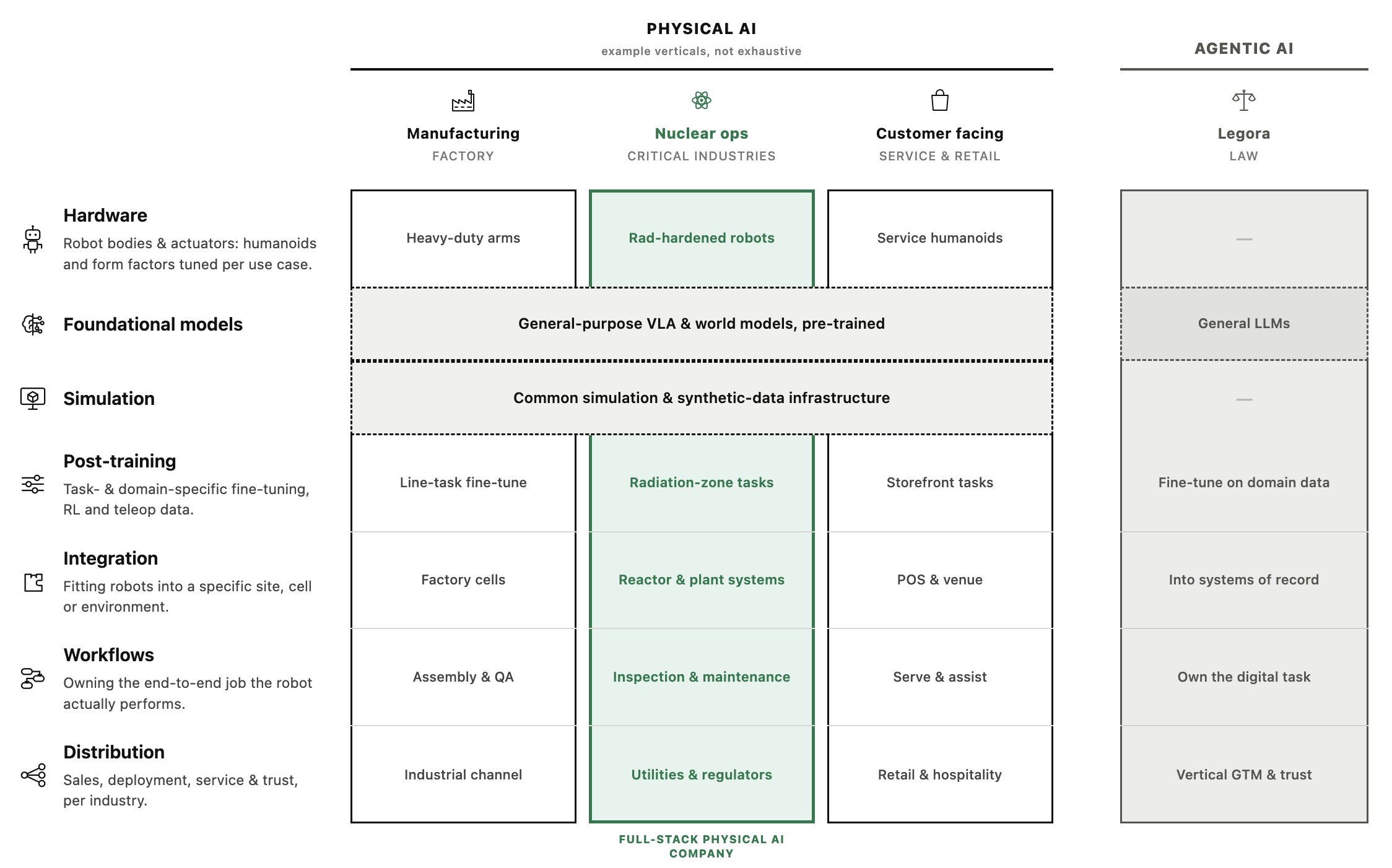
Vertical application companies will adopt and plug into horizontal foundation models as they mature. They are vertical defensibility at several layer of the stack:
- Hardware.
I don’t buy the idea that a single humanoid shape will do every job. A seamstress, a mason, and a bike courier do not have the same bodies today. Why would robots? A nuclear dismantlement robot navigating contaminated piping needs radiation-hardened electronics, wash-down sealing, and heavy payload arms. A bomb disposal robot needs a blast-resistant tracked chassis and precision micro-manipulators. Form factors will follow the job. - Post-training/fine tuning.
There is no internet-scale dataset for physical manipulation. Text models trained on the public web. Physical models need high-frequency force-torque readings, egocentric video, slippage logs, failure recoveries, and task-specific demonstrations recorded during live, messy jobs. - Workflows
Real industrial jobs are intricate chains of standard operating procedures, physical interlocks, tool changes, exception handling, and tacit worker knowledge. - Compliance and safety
Regulated industries do not buy unverified probabilistic models. They buy proof that a system operates safely, predictably, and under strict constraints. - Distribution
Industrial buyers want partners who understand their specific site, procurement cycle, safety case, clearances, and operating reality.
Why it is not too early: Teleoperation is the wedge
The obvious objection is simple: if autonomous Physical AI is 5 to 10 years away, why build now?
Because building a vertical moat requires years to accumulate data, distribution, operational playbooks, and regulatory trust. And before autonomous models are ready, teleoperation is the answer.
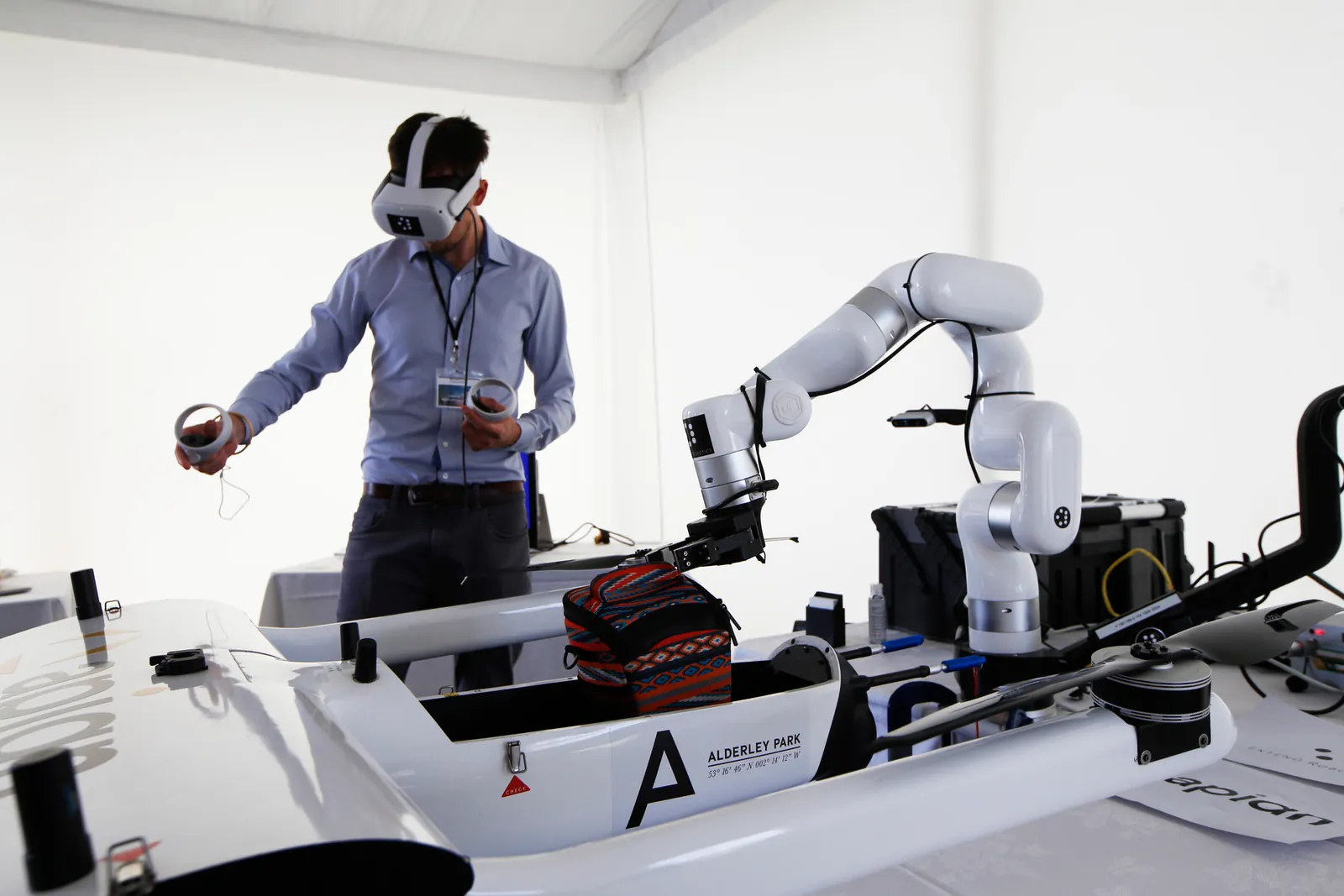
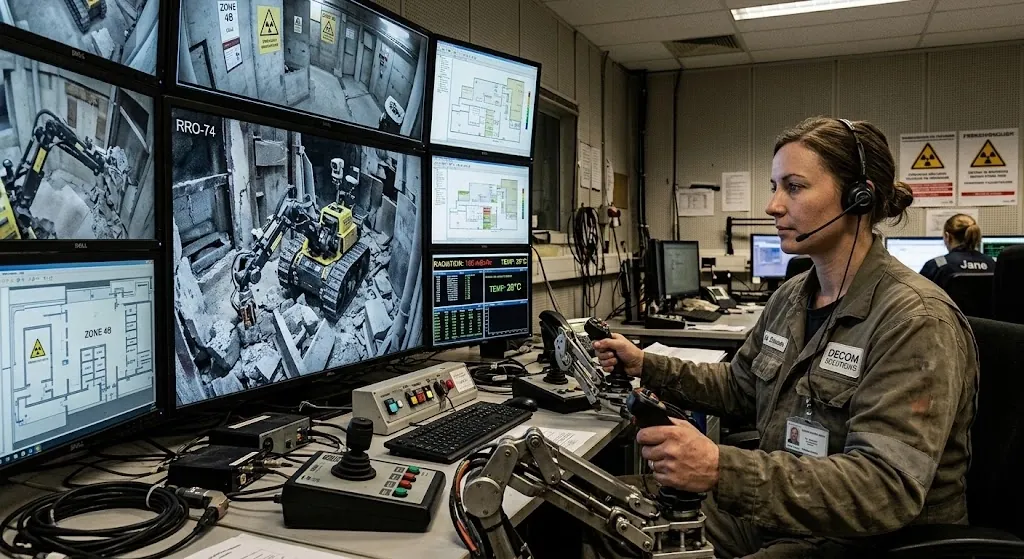
What I mean by teleoperation: a skilled human operator controlling robotic hardware remotely from safety, using low-latency video streaming, sensor telemetry, and intuitive controls (VR headsets, master-slave arms, or haptic feedback rigs).
Teleoperation is the wedge, not the final state. It lets a company do useful work, generate revenue, win site access, build trust with sensitive buyers, and collect proprietary training data long before full autonomy works.
Where teleoperation actually makes sense
Teleoperation is usually worse than having a human physically on site: it is slower, demands reliable bandwidth, and requires hardware investment.
Teleoperation makes sense when human presence on site is dangerous, prohibited, or severely constrained:
- Labor cost arbitrage.
A robot can be in the US while the operator is in Mexico, roughly 3x cheaper. - Labor shortage.
It might be hard to bring highly skilled labor to rural Germany. One trained operator can work from a control center instead of moving from site to site. We see this logic in remote surgery. - Physical or health danger.
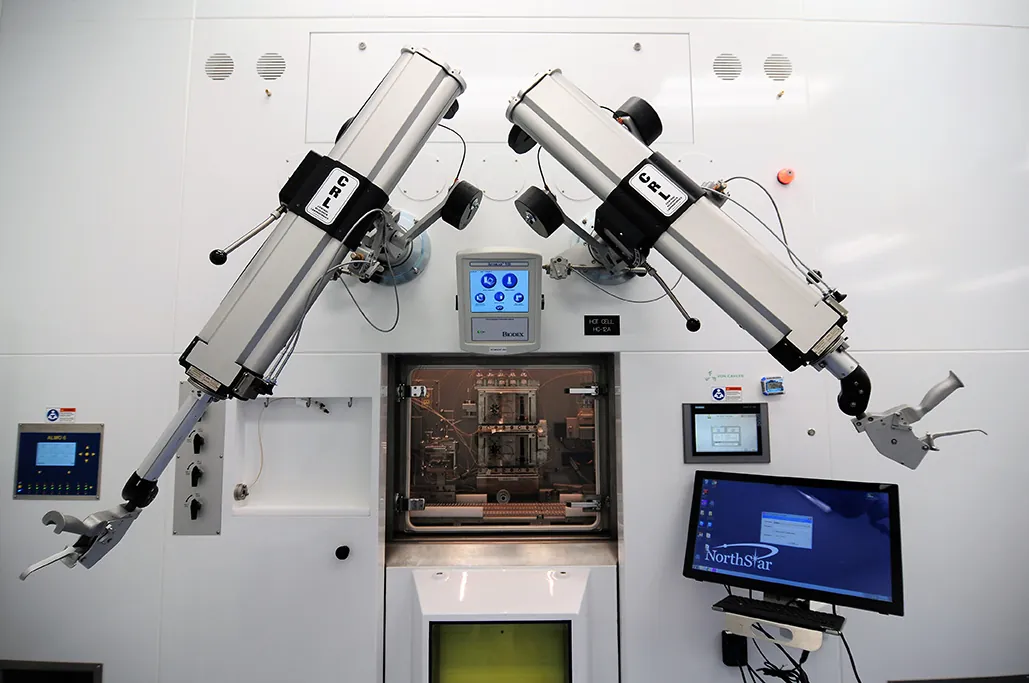
If the work exposes people to radiation, drones, explosives, contamination, chemical risk, fire, collapse, or extreme weather, teleoperation removes the human from the dangerous zone even if it is slower.
This last point is the wedge I want to focus on: dangerous, health-critical environments.
The buyer is buying reduced exposure, fewer casualties, and the ability to do work that is otherwise too dangerous or politically unacceptable.
Where to start: compliance and safety
The company is a vertical Physical AI operator for mission-critical industry, and it starts by teleoperating dangerous work. Teleoperation looks easy from outside. Finding skilled, trustworthy, certified people who are actually available to do it is not.
Every operation then produces:
- proprietary physical-world data
- job-specific procedures
- operator training loops
- real-time safety monitoring
- compliance evidence
- semi-autonomous task modules
- and later, certified autonomous execution
The company owns the whole operating layer: hardware choice, teleoperation stack, operator sourcing and vetting and training, procedure capture, safety evidence, deployment playbook, and progressive autonomy.
These industries have spent decades building know-how about how not to kill people, and that know-how is written down as compliance and safety procedure, specified down to the movement. You do not handle an explosive charge the way you handle a concrete block.
A horizontal Physical AI model will not have any of that. And until robots run on their own, people are being paid to watch that procedures and manipulation are done right, and to file the compliance paperwork afterward.
So that could be our first Physical application of AI (not physical ai) : AI that checks compliance, for human workers and for teleoperated work alike.
Target GTM and challenges
The first go-to-market should target sectors where danger is accepted, budgets exist, and remote operation is legitimate.
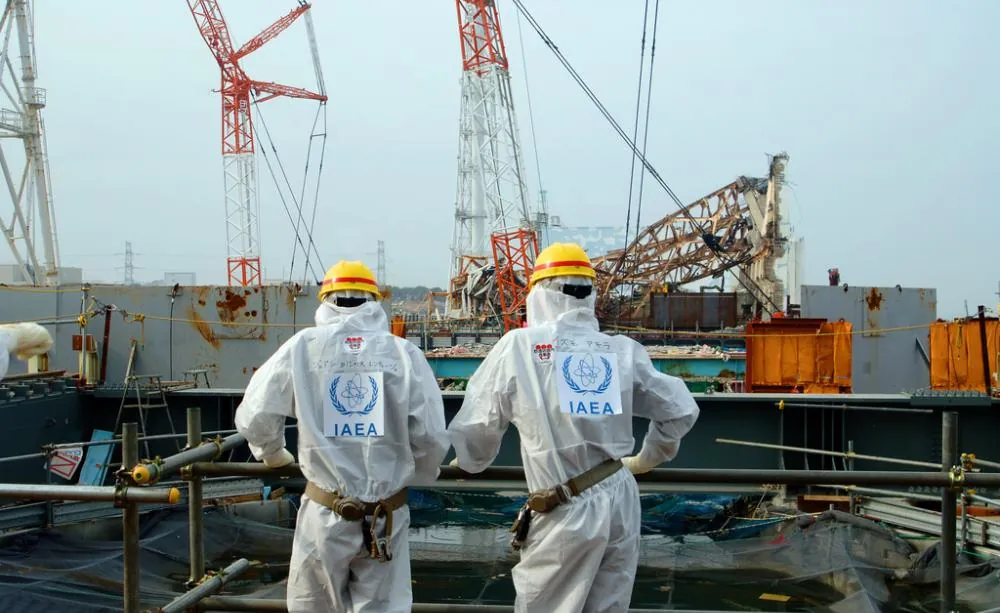
1. Nuclear and nuclear dismantlement: the IAEA estimates that several hundred billion dollars will be spent on nuclear decommissioning worldwide by 2050. It is a large, slow, regulated market where remote operation already exists and trust takes years to build.
2. Defence logistics and drone operations: in Ukraine, in the kill zone, most battlefield activity is already mediated by tele-operated drones. But human lives are still wasted in loading and unloading, logistics, maintenance, evacuation, and dangerous repetitive work near the front.
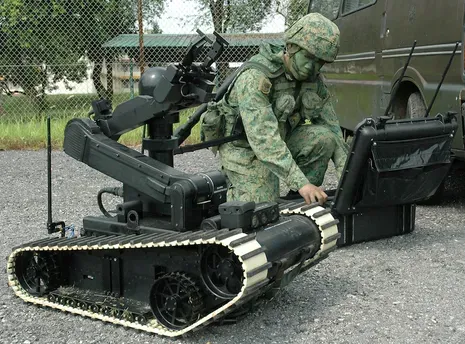
The first defence wedge does not need to be a robot soldier. It is more likely loading and unloading drones, frontline supply delivery, evacuation, mine clearing, remote maintenance, and dangerous repetitive operations near the front.
We're building this
Physical AI is coming (but not here yet), but the path to useful physical intelligence will not begin with a general-purpose domestic robot.
It will start in narrow, painful, dangerous workflows where remote operation already makes sense.
Teleoperation is the entry point. Vertical interaction data, regulatory certification, and buyer trust are the moat. Progressive autonomy is the cherry on the cake that unlocks massive enterprise scale.
We've already started building this venture at Hexa. If you are a robotics engineer, defense technologist, nuclear expert, teleoperation builder, or founder already working on hazardous physical operations, we would love to talk.
About the partner
By background, I'm an engineer who became obsessed with building things. I love understanding how systems work (tech, business, politics…) and thinking from first principles. I tend to design pretty ambitious visions, usually where the best opportunities are hiding.
That approach has served me across multiple ventures. I co-founded Luko, which became France's #1 online home insurer before joining Allianz Direct. Before Luko, I cut my teeth on two ventures: a vertically integrated food delivery startup called Goodfood (think early Frichti) that we expanded to Berlin and London with Rocket Internet, and OpenJet, a SaaS marketplace for private jets across the US and EU. Each taught me something different about timing, product-market fit, and the art of solving real problems elegantly.As an angel investor and Accel Scout, I've backed 20+ startups including Tomorro, Stoïk, Finary, and Orus.I grew up in Grenoble where ski trips were basically mandatory, and have since lived in Paris, Lyon, Berlin, London, Brazil, and NYC. I speak Portuguese and Spanish, love kitesurfing, skiing, and recently discovered woodworking - a surprisingly good way to quiet my brain and my passion for design.
Ready to build it?
This opportunity is part of Hexa Start, our startup studio program where partners originate ideas and founders build them. If this resonates, reach out directly to the partner behind it or apply through our founder application form.